

A Quick Guide to Everyday Wellness Habits ThatTruly Work
Busy parents juggling work, kids, and the never-ending home to-do list often want well-being improvement, but get stuck between good intentions and real life. The core tension is simple: healthy choices can feel like one more demand, so daily lifestyle habits slide until “feeling your best” sounds like a luxury. A few steady, beginner wellness strategies can make holistic self- care feel doa
ble again, even on packed days and tight budgets. The goal is motivating personal growth that fits into normal routines and actually feels encouraging.
Reset Your Mindset With Story-Driven Podcast Inspiration
Listening to inspiring, story-driven podcasts can boost daily well-being by giving you motivation, practical mindset shifts, and real-life examples that keep you focused, positive, and emotionally balanced as the day moves along. Hearing someone else talk through a challenge, what they tried, what changed, and how they kept going, can be a fast “reset” when your energy dips or your outlook starts to slide.
If you want a concrete option to try, cue up alumni chronicles from UoPX, which shares
encouraging stories and practical insights from alumni who transformed their lives through
learning. The episodes can offer both motivation and grounded advice, especially helpful if
you’re considering your own next step and want to hear what success looked like for real
people.
Build Your Everyday Wellness Plan With 10 Beginner Habits
Wellness doesn’t have to be an all-or-nothing makeover. Think of it as a mix-and-match plan you can build from small habits that support both mental and physical health, especially on busy family days.
1. Anchor movement to something you already do: Pick one “always happens” moment
(morning coffee, school pickup, evening TV) and attach 5–10 minutes of movement to it.
Link your new movement habit by doing bodyweight squats during coffee brewing, taking
a walking call, or stretching during a show. This works because you’re not relying on
motivation, you’re relying on a routine that already exists.
2. Use a simple beginner fitness routine (3 moves, 2 rounds): Two or three days a
week, do a quick circuit: 8–12 chair squats, 8–12 wall push-ups, and a 20–40 second
plank (knees down is fine). Rest 60 seconds, then repeat once. It’s straightforward,
builds strength you can feel in daily life (carrying groceries, playing with kids), and scales
up easily by adding reps or a third round.
3. Build a balanced plate you can repeat (no tracking required): At lunch and dinner,
aim for 1–2 palms of protein, 1–2 fists of veggies, and a cupped hand of carbs, plus a
thumb of healthy fat. Keep “default meals” on hand, taco bowls, sheet-pan chicken and
veggies, or pasta with added beans and a bagged salad, so your balanced nutrition plan
survives hectic nights. Consistency beats creativity when life is full.
4. Create a “snack rescue” plan for energy dips: Stock two grab-and-go combos you
actually like, such as yogurt + fruit, hummus + crackers, cheese + apple, or nuts +
raisins. Put them where you reach first, front of the fridge, work bag, car console. This
prevents the crash-and-burn cycle that can make stress feel louder and workouts feel
harder.
5. Do a 5-minute stress reset (pair it with your podcast habit): After a motivating
podcast story, take five minutes to turn inspiration into calm action: 4 slow breaths, a
quick shoulder/neck stretch, then write one “today I can” step on a sticky note. This
bridges mindset and follow-through, which is huge for mental health. It’s also a gentle
way to downshift before dinner, homework time, or bedtime.
6. Build a tiny self-care ritual that protects your evening: Choose one non-negotiable
that takes 10 minutes: a warm shower, lotion + pajamas right after dishes, or setting out
tomorrow’s clothes and filling water bottles. If evenings are chaotic, set a phone alarm
labeled “future me.” Small self-care rituals reduce decision fatigue and make mornings
smoother for everyone.
7. Pick one engaging hobby that doubles as movement: Try a hobby you can do
weekly without a big setup, gardening, casual dancing in the living room, beginner yoga
flows, or a family walk-and-photo challenge. Schedule it like an appointment (same
day/time) so it becomes part of your identity, not a “someday” idea. If you’re craving
confidence-building movement, choosing a structured skill-based hobby can also be a
natural stepping stone toward trying something like martial arts.
Try Martial Arts Safely: A Beginner Guide to Confidence
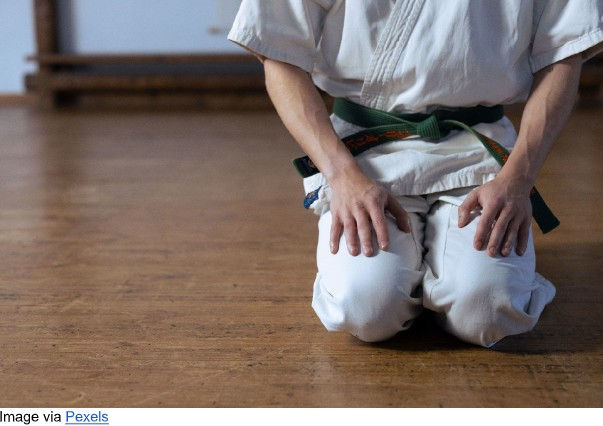
Once you’ve picked a few daily habits that fit your routine, adding a structured movement
practice can make them stick. Martial arts can support well-being by building confidence, easing stress, and getting your body moving in a focused way. If you’re curious, start as a beginner and go at a safe, comfortable pace. Next, we’ll tackle what to do when time or motivation gets in the way.
Well-Being Habits FAQs: Time, Motivation, Results
Q: How do I fit wellness habits into a packed family schedule?
A: Start with a 2-minute “bookend” habit in the morning or before bed, like stretching or a glass of water. Tie it to something you already do, such as brushing teeth or starting the coffee. A simple wellness schedule can help you see what’s realistic without trying to change everything at once.
Q: What should I do when I lose motivation after a few days?
A: Make the habit smaller until it feels almost too easy, then build back up. Track consistency, not intensity, and celebrate showing up. If you’re stuck, ask for help from a friend, family member, or coach to add accountability.
Q: Can tiny habits really make a difference in how I feel?
A: Yes, because small actions repeated daily shape your energy, mood, and confidence over
time. Pick one habit you can do even on hectic days, like a 5-minute walk or a quick breathing reset. Consistency beats perfection.
Q: Why do I struggle to believe wellness changes will work for me?
A: You’re not alone, and skepticism can be protective when you’ve tried things before. Globally, lack of trust stops many people from making healthier life choices. Run a personal two-week experiment with one simple habit and notice what changes.
Q: When life gets stressful, should I pause my habits or push through?
A: Keep a “minimum version” so you stay connected to your routine without burning out. On
hard days, aim for the smallest step that supports you, like prepping tomorrow’s water bottle or doing one gentle stretch. You can always do more when your capacity returns.
Make One Daily Habit Stick for Better Well-Being
When life is full, it’s easy for self-care to slide until it feels like one more thing to manage. The steadier approach is simple: build daily well-being routines by implementing healthy habits in small, repeatable ways rather than chasing perfect days. Over time, those practical self-care steps make it easier to sustain motivation and start feeling confident in wellness, even when schedules get messy. Small habits, done often, are how real wellness happens.


Comments